The regulation in the aerospace industry is among the strictest in the world. It is characterized by consumers and regulators demanding high quality, safety, and traceability. Today's aerospace regulatory compliance not only includes meeting FAA or EASA requirements; it is a matter of having continuous visibility throughout the complex and multi-tiered global supply chains. Manufacturers must keep track of such constantly changing regulations as AS9100, ITAR, DFARS, REACH, RoHS, and PFAS and at the same time ensure that all suppliers are doing their part by complying with documentation and quality standards.

The growth in complexity of aerospace programs has rendered the use of traditional manual compliance methods unfeasible. Nowadays, aerospace compliance management is reliant upon real-time data, proactive risk monitoring, and seamless supplier collaboration. This is where the implementation of AI-driven compliance is turning around the industry. The use of AI allows for the automated checking of Certificates of Conformance, materials test reports, and supplier declarations; thus, the teams have the opportunity to discover the gaps, and shorten the wait time, and at the same time be ready for an audit.

Contemplating the significant benefits from a strong supplier compliance program, the industry is likely to enjoy a resilient supply chain, elimination of costly rework, and quicker market entry. Defense and aerospace organizations will be able to switch from a reactive issue resolution to a predictive risk management approach by the integration of AI into compliance workflows—translating regulatory compliance into a genuine competitive advantage.

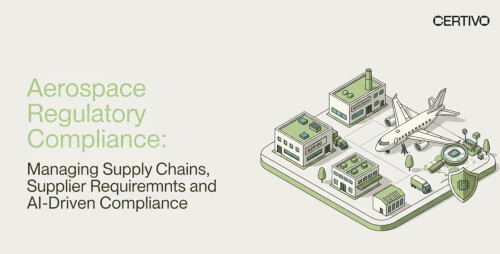
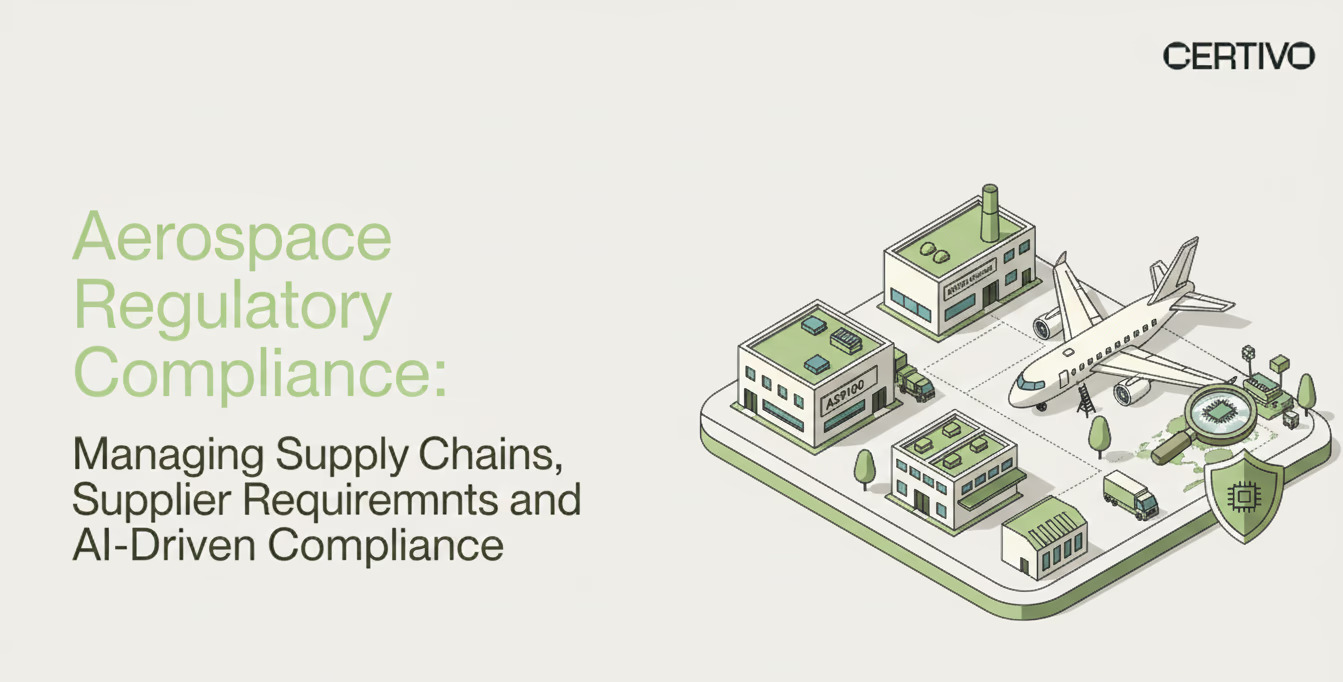
Aerospace Regulatory Compliance Managing Supply Chains, Supplier Requirements, and AI-Driven Complia

1343 × 682 — JPG 152 KB

8 개월 전에 업로드됨 — 3 조회

The regulation in the aerospace industry is among the strictest in the world. It is characterized by consumers and regulators demanding high quality, safety, and traceability. Today's aerospace regulatory compliance not only includes meeting FAA or EASA requirements; it is a matter of having continuous visibility throughout the complex and multi-tiered global supply chains. Manufacturers must keep track of such constantly changing regulations as AS9100, ITAR, DFARS, REACH, RoHS, and PFAS and at the same time ensure that all suppliers are doing their part by complying with documentation and quality standards.

The growth in complexity of aerospace programs has rendered the use of traditional manual compliance methods unfeasible. Nowadays, aerospace compliance management is reliant upon real-time data, proactive risk monitoring, and seamless supplier collaboration. This is where the implementation of AI-driven compliance is turning around the industry. The use of AI allows for the automated checking of Certificates of Conformance, materials test reports, and supplier declarations; thus, the teams have the opportunity to discover the gaps, and shorten the wait time, and at the same time be ready for an audit.

Contemplating the significant benefits from a strong supplier compliance program, the industry is likely to enjoy a resilient supply chain, elimination of costly rework, and quicker market entry. Defense and aerospace organizations will be able to switch from a reactive issue resolution to a predictive risk management approach by the integration of AI into compliance workflows—translating regulatory compliance into a genuine competitive advantage.


또는 컴퓨터에서 탐색
할 수 있습니다.
JPG PNG BMP GIF WEBP max 10 MB
Customize upload by clicking on any preview
Customize upload by touching on any preview

또는 컴퓨터에서 탐색
할 수 있습니다.
업로드 중 0 files (0% 완료)
대기열을 업로드하고 있습니다. 완료하는데 몇 초밖에 걸리지 않습니다.
업로드가 완료되었습니다
업로드한 게시물이 앨범에 추가되었습니다. 업로드된 게시물은 create new 앨범를 할 수 있습니다.
업로드한 게시물이 앨범에 추가되었습니다.
계정에 이 게시물을 저장하려면 계정 만들기 또는 로그인 해야 합니다.
file이(가) 업로드되지 않았습니다
Some errors have occurred and the system couldn't process your request.
    Note: Some files couldn't be uploaded. 더 알아보기
    자세한 내용은 오류 보고서를 참고해주세요.